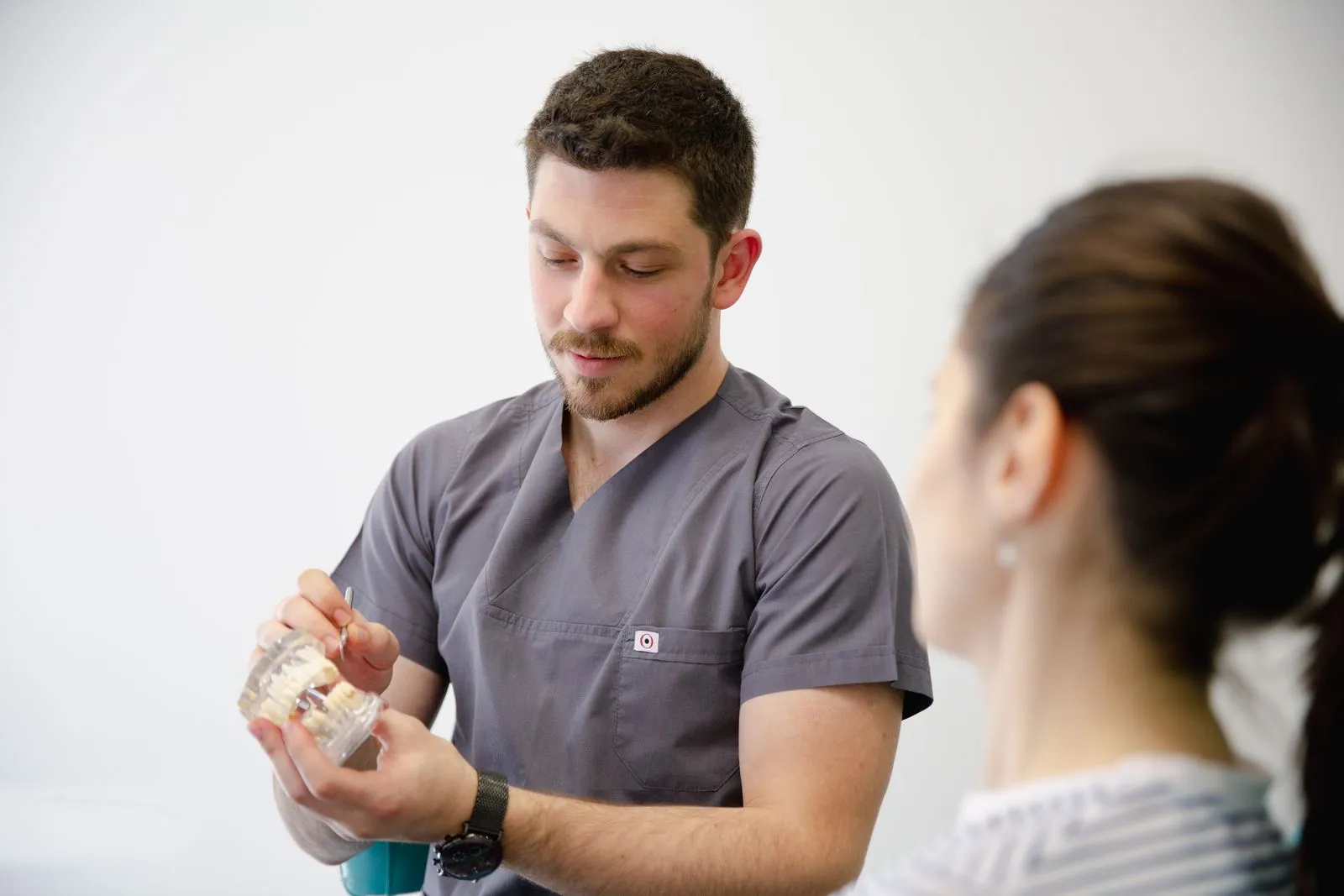
A holistic dental visit starts with the same essential goal as any dental appointment: understanding your oral health and planning appropriate care. The conversation may also include your comfort, health history, daily habits, and questions about materials or treatment approaches. Knowing what to expect can help you prepare and take part in decisions. Each clinic has its own process, so ask in advance if you have a specific concern or need an accommodation.
A conversation about your health
Your appointment may begin with a review of your dental and medical history, current concerns, medications, allergies, and past dental experiences. Share details that could affect care, such as sensitivity, anxiety, dry mouth, or a health condition. You can also mention your priorities, whether you want to address a specific symptom, maintain healthy teeth and gums, or learn about available options.
A holistic approach may consider how oral health fits into your overall health and routines. That does not replace a dental examination or mean every oral symptom has a cause elsewhere in the body. Ask how the clinician evaluates your concern and what evidence supports a recommendation. Clear explanations can help you understand the connection between your health history and the care being proposed.
An oral health assessment
The clinician may examine your teeth, gums, bite, and other areas of your mouth. Depending on your needs, the visit may include measurements, photographs, or dental X-rays. Imaging is not automatic in every situation; ask why it is recommended, what it can help identify, and whether alternatives are suitable. The clinician can explain how the findings relate to your symptoms and oral health goals.
Preventive care may include a professional cleaning, guidance on brushing and flossing, and a discussion of habits that affect your teeth and gums. Recommendations should reflect your needs rather than a one-size-fits-all routine. Ask what changes are most useful for you and how often you should return. If you have pain, swelling, bleeding, or a sudden change, describe when it began and what makes it better or worse.
Comfort and treatment choices
Tell the team what helps you feel comfortable before treatment begins. You might ask about breaks, how the clinician will signal each step, noise or sensory concerns, or options for easing dental anxiety. If you have a strong gag reflex, trouble lying back, or sensitivity to cold, mention it early. You can agree on a simple way to pause so you feel more in control during care.
If treatment is recommended, ask what the goal is, how urgent it is, and what may happen if you wait. Request a plain-language comparison of reasonable options, including their benefits, risks, and limitations. You can also ask about materials used, why they are suggested, and whether another approach is appropriate. A thoughtful discussion should give you room to consider choices without pressure.
Preparing for your appointment
Bring a list of medications and supplements, relevant health information, and any questions you want answered. If you have recent dental records or X-rays, ask whether the clinic would like them sent ahead. Writing down when symptoms occur can also help you give a clear account. If you have a particular concern about products, materials, or procedures, share it before the visit so the team can address it directly.
Before leaving, make sure you understand the next steps. Ask for written care instructions, a summary of proposed treatment, or time to review options if needed. Clarify which symptoms should prompt a call and when follow-up is recommended. At Juniper Holistic Dental in Bend, you can contact the clinic to ask what to bring and how an appointment is structured.
A holistic dental visit can be a chance to review your oral health, discuss comfort, and make informed choices about prevention or treatment. You do not need to arrive with every answer—bring your concerns and ask for clear explanations. Contact a dental clinic to learn how its approach can fit your needs.